%20(1).png)
Dairy Product Industry
- mailtonithyak
- Mar 23, 2023
- 3 min read
Updated: Mar 24, 2023
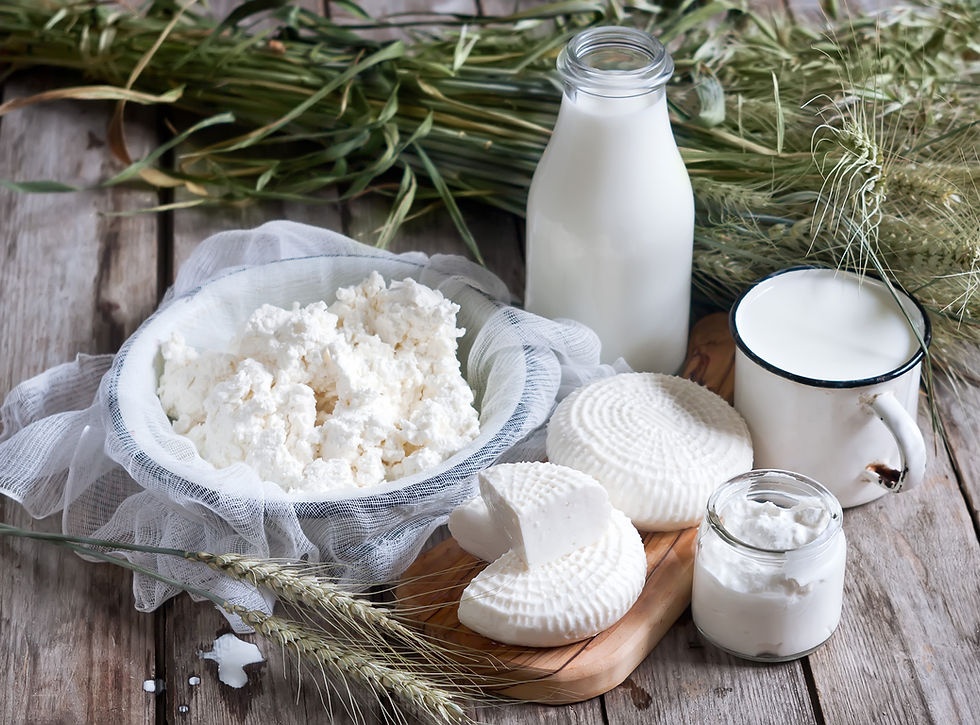
The milk industry is a major sector of the global food industry that involves the production, processing, and distribution of milk and dairy products. These below products can be consumed on their own or used as ingredients in cooking and baking.The industry includes various sub-sectors such as
Dairy farms
Cheese
Butter
Yogurt
Cream
Ice cream
Condensed milk
Powdered milk
Flavored milk
Milkshakes
Milk is a dairy product that is derived from the mammary glands of mammals. It is a nutritious liquid that is rich in calcium, protein, and other essential nutrients.
Milk can be consumed as a standalone beverage or used as an ingredient in a variety of food products such as cheese, yogurt, butter, and ice cream. There are also different types of milk products available such as whole milk, skim milk, low-fat milk, and lactose-free milk, to name a few.
To start a milk industry business, there are several key factors to consider:
Market research: Conduct market research to determine the demand for milk and dairy products in your area. Identify potential competitors, consumer preferences, and market trends.
Business plan: Develop a comprehensive business plan that includes your objectives, strategies, marketing plan, financial projections, and operational plan.
Location: Choose a suitable location for your milk industry business. Consider factors such as accessibility, proximity to dairy farms, and transportation routes.
Licensing and permits: Obtain the necessary licenses and permits from the local and state authorities to operate your milk industry business.
Equipment and supplies: Purchase or lease the necessary equipment and supplies for milk production and processing.
Workforce: Hire skilled and experienced staff for milk production, processing, and distribution.
Marketing and sales: Develop effective marketing and sales strategies to promote your milk and dairy products. Consider using social media, advertising, and partnerships with local retailers and restaurants.
Quality control: Ensure high-quality standards for your milk and dairy products. Implement quality control measures, such as testing and inspection, to maintain product quality and safety.Starting a milk industry business can be a complex and challenging process. However, with careful planning, hard work, and dedication, you can establish a successful and profitable milk industry business.

The milk industry is a large and important business sector that involves the production, processing, and distribution of milk and milk-based products. The industry includes a wide range of players, including dairy farmers, milk processors, and retailers.Dairy farmers are responsible for producing the raw milk that is then sold to milk processors. These processors are responsible for pasteurizing and homogenizing the milk, as well as producing other dairy products such as cheese, yogurt, and butter. Milk processors then sell their products to retailers, who in turn sell them to consumers.
The milk industry is highly competitive, with large multinational companies competing with smaller, local players. Many companies are also investing in plant-based milk alternatives, which are becoming increasingly popular among consumers.
The industry faces a number of challenges, including fluctuating milk prices, regulatory issues, and changing consumer preferences. However, with the global demand for dairy products continuing to grow, the milk industry is expected to remain a significant and profitable business sector for years to come.
The milk industry is a multi-billion dollar global business that involves the production, processing, and distribution of milk and milk-based products. Some key players in the industry include dairy farmers, milk processors, distributors, retailers, and food manufacturers.
The milk industry is diverse, with various products such as liquid milk, cheese, yogurt, ice cream, and butter. The production process involves collecting milk from cows or other animals, processing and pasteurizing it, and then distributing it to retail outlets.
One of the major challenges in the milk industry is dealing with fluctuations in supply and demand. Milk production is affected by factors such as weather, seasonality, and animal health, which can lead to fluctuations in the price of milk and other dairy products.
Another challenge is competition from alternative milk products such as soy milk, almond milk, and oat milk. These products have gained popularity among consumers who are looking for plant-based alternatives to traditional dairy products.
Despite these challenges, the milk industry continues to thrive, with new technologies and innovations driving growth and improving efficiency. As consumers continue to demand high-quality, safe, and sustainable milk products, the industry is likely to remain a key player in the global food market.


Comments